
Developing a Best Research Proposal

A comprehensive guide to developing a compelling and effective research proposal. It covers essential elements, from defining a clear research question to outlining methodology and expected outcomes. By following these guidelines, researchers can significantly increase their chances of securing funding and successfully executing their research projects.

I. Introduction: Setting the Stage
A research proposal is a detailed plan outlining the what, why, and how of your intended research. It serves as a roadmap for your project and a persuasive argument for its significance and feasibility. A well-crafted proposal is crucial for securing funding, gaining ethical approval, and ensuring the project stays on track.

A. Defining the Research Question
The cornerstone of any research proposal is a well-defined research question. This question should be:
Specific: Clearly focused and not overly broad.
Measurable: Capable of being investigated using empirical methods.
Achievable: Realistic given available resources and time constraints.
Relevant: Important and contributing to the existing body of knowledge.
Time-bound: Feasible to be completed within a specific timeframe.
B. Background and Significance
This section provides context for your research question. It should:
Review Existing Literature: Summarize relevant studies and identify gaps in knowledge.
Highlight the Problem: Clearly articulate the issue your research addresses.
Establish Significance: Explain why your research is important and what impact it will have.
II. Literature Review: Building a Foundation
The literature review is a critical component of the research proposal. It demonstrates your understanding of the existing research landscape and justifies the need for your proposed study.

A. Scope and Depth
The literature review should be comprehensive but focused. It should:
Cover Relevant Theories and Concepts: Explain the theoretical framework underpinning your research.
Summarize Key Findings: Highlight the main conclusions of previous studies.
Identify Methodological Approaches: Discuss the methods used in prior research.
Critically Evaluate Existing Research: Point out limitations and inconsistencies in previous studies.
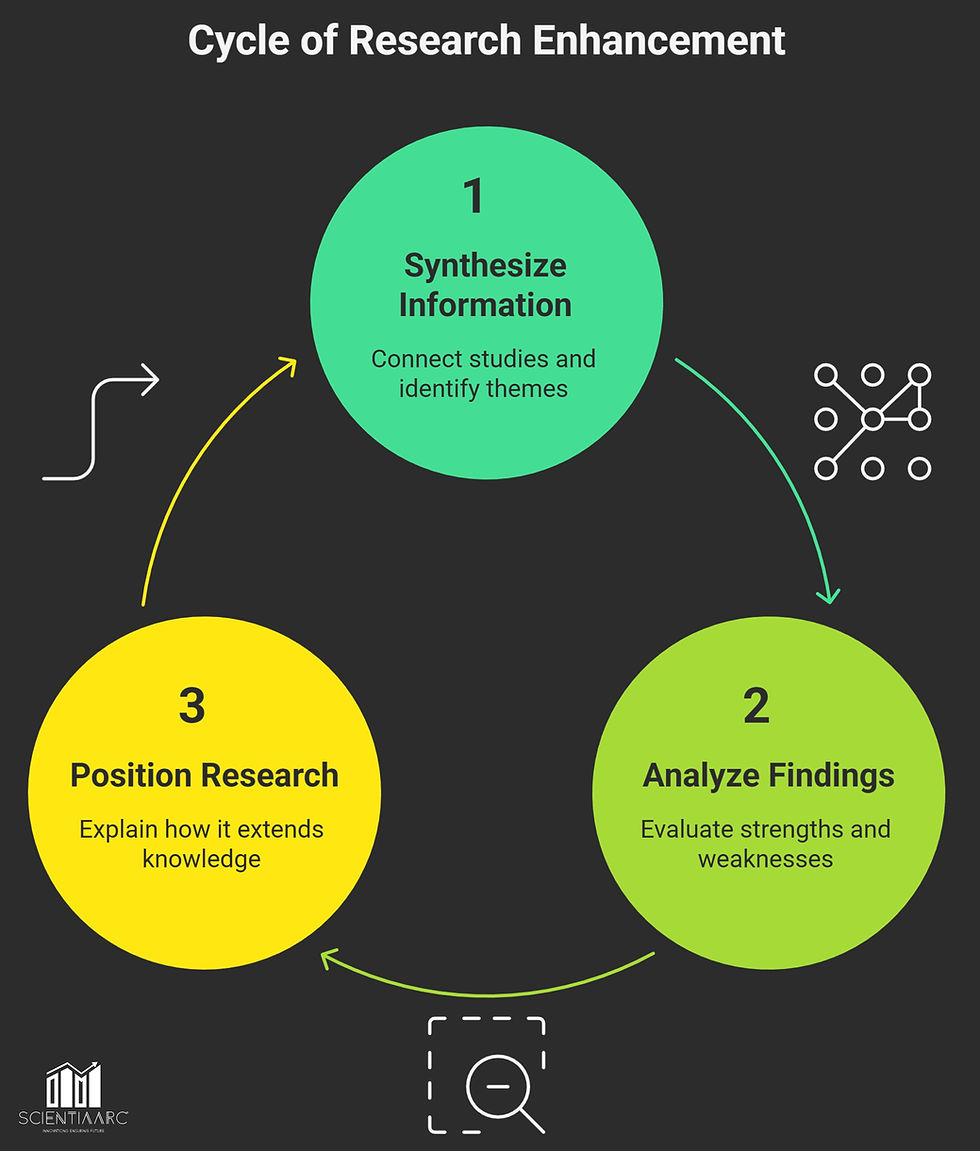
B. Synthesis and Analysis
The literature review should not simply be a list of summaries. It should:
Synthesize Information: Connect different studies and identify common themes.
Analyze Findings: Critically evaluate the strengths and weaknesses of previous research.
Position Your Research: Explain how your study builds upon and extends existing knowledge.
III. Methodology: The How of Your Research
The methodology section describes how you will conduct your research. It should be detailed and specific, allowing others to replicate your study.

A. Research Design
Clearly state the type of research design you will use (e.g., experimental, correlational, qualitative, mixed-methods). Explain why this design is appropriate for your research question.
B. Participants/Sample
Describe the characteristics of your participants or sample, including:
Sample Size: Justify the number of participants needed to achieve sufficient statistical power.
Sampling Method: Explain how you will recruit participants (e.g., random sampling, convenience sampling).
Inclusion/Exclusion Criteria: Specify the criteria participants must meet to be included in the study.
C. Data Collection Methods
Describe the specific methods you will use to collect data, such as:
Surveys/Questionnaires: Explain the types of questions you will ask and how they will be administered.
Interviews: Describe the interview format (e.g., structured, semi-structured) and the types of questions you will ask.
Observations: Explain how you will observe and record data.
Experiments: Describe the experimental procedures and manipulations.

D. Data Analysis
Describe how you will analyze the data you collect. This should include:
Statistical Techniques: Specify the statistical tests you will use (e.g., t-tests, ANOVA, regression analysis).
Qualitative Analysis Methods: Describe how you will analyze qualitative data (e.g., thematic analysis, content analysis).

IV. Expected Outcomes and Dissemination
This section outlines the anticipated results of your research and how you plan to share your findings.
A. Hypotheses
State your hypotheses clearly and concisely. These are your predictions about the relationship between variables.
B. Potential Impact
Explain the potential implications of your research findings. How will your research contribute to the field? What practical applications might your research have?
C. Dissemination Plan
Describe how you plan to share your research findings, such as:
Publications: List potential journals where you might publish your research.
Presentations: Describe conferences or workshops where you might present your findings.
Community Outreach: Explain how you will share your findings with the broader community.
V. Timeline and Budget
This section provides a realistic timeline for completing your research and a detailed budget outlining the costs involved.
A. Timeline
Create a timeline that outlines the key milestones of your research project, including Literature Review, Data Collection, Data Analysis, Report Writing, and Dissemination.
B. Budget
Provide a detailed budget that includes all anticipated costs, such as Personnel Costs, Equipment Costs, Travel Costs, Participant Compensation, and Publication Costs.
VI. Conclusion
Summarize the key points of your research proposal and reiterate the significance of your research. Emphasize the potential impact of your findings and the feasibility of your project. A strong conclusion leaves the reader with a clear understanding of your research goals and a compelling reason to support your project.
For more information visit our research and development services at https://www.scientiaarc.com/research


Comments